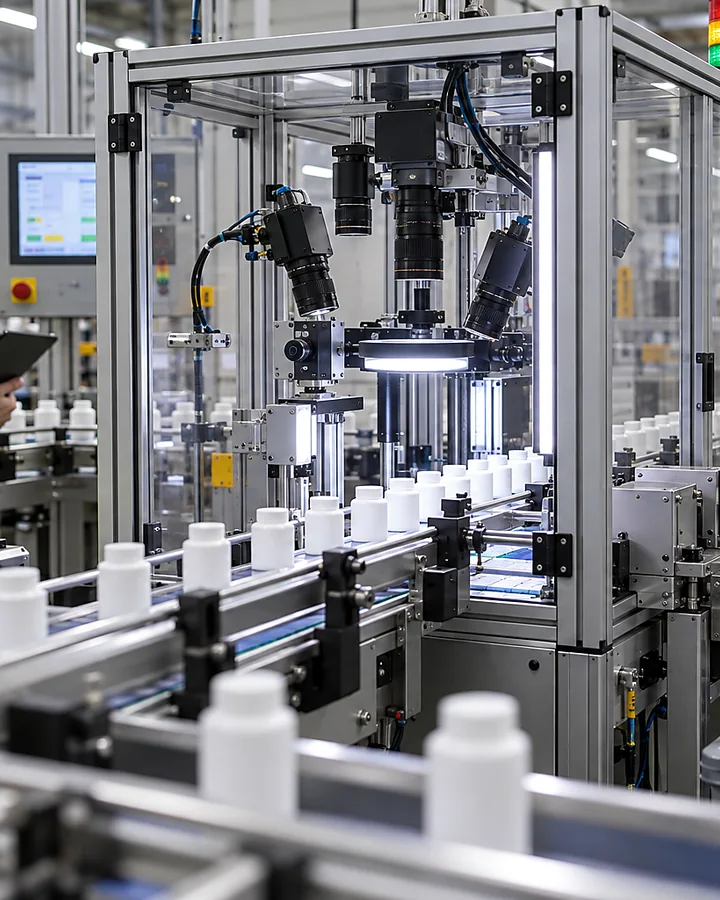
Visible Defect or Measurement Definition for Film Holes, Marks & Visible Defects: Defect and sample study
Define visible film holes, marks and rejection limits with smallest unacceptable samples, full web width, clear or printed regions and representative optical trials.
In brief
Describe the visible decision before selecting an inspection arrangement: which hole, mark or defect is unacceptable, which variation is permitted and which smallest examples define the boundary. Identify good, bad and marginal film across clear, printed and reflective regions, and state the full web width, representative tension and speed.
Turn your production information into clearer decisions — Film Defect Inspection
Plan film defect inspection around representative good, bad and marginal samples, line presentation, lighting, reject handling and challenge criteria. Discuss an optical feasibility trial with Oxford Vision Systems. Use this guide to resolve visible defect or measurement definition for film holes, marks & visible defects before it limits the final system.
Visible Defect or Measurement Definition for Film Holes, Marks & Visible Defects: condition, range and effect on your process
Current condition
Identify the film variant and sample, visible defect type and expected decision. Record the current inspection setup and presentation, including clear, printed or reflective regions and where the affected material must be identified.
Realistic range
Include acceptable variation, smallest unacceptable defects and marginal examples across the required web width. State representative tension, speed and presentation conditions for the film range rather than one chosen demonstration.
Effect on the system
Connect the defect definition to the camera/lighting trial, agreed recipe and line-control response, and defect-position record. Keep the decision boundary and sample identity with results so an unresolved case remains visible in the review.
Before you contact us
Five questions about visible defect or measurement definition for film holes, marks & visible defects for your application
Who can confirm this information?Identify who owns the visible defect definitions, acceptable variation, sample decisions and production conditions. Agree who reviews unresolved marginal cases and the affected-material record.
How representative is the sample?Include identified good, bad and marginal film, smallest unacceptable examples and clear, printed and reflective regions across the full required width.
What is the difficult condition?Use the marginal defect and film region that challenge visibility at the stated tension and speed. Keep the actual sample, presentation and expected decision identified.
How will you judge the result?Compare expected and recorded decisions using agreed repetitions and running conditions. Record false accepts and false rejects separately, including unresolved cases and the defect-position record.
What else must be coordinated?Agree the recipe and line-control responsibilities, intended response and identification of affected material. Keep hidden, functional or other tests outside the visible-inspection conclusion.
Connected details
Review visible defect or measurement definition for film holes, marks & visible defects as part of the complete system
Question 1
Visible Defect or Measurement Definition for Film Holes, Marks & Visible Defects
Define each visible hole, mark or defect that requires rejection, the smallest unacceptable examples and acceptable variation. Identify any hidden, functional or other property that needs a separate test rather than treating a visible result as proof.
Question 2
Good, Bad and Marginal Sample Range
Provide identified good, bad and marginal film samples, including the normal clear, printed and reflective regions. Tie the expected decision to each sample; one obvious defect does not establish the boundary for the complete range.
Question 3
Part Presentation and Production Speed
State the full web width to inspect and representative tension and speed. Show the actual film presentation and the range to be included in the optical trial rather than relying on a still sample or one nominal running condition.
Question 4
Optics, Lighting and Environmental Conditions
Trial the proposed camera and lighting arrangement with the actual film regions and presentation. Record the arrangement, observed contrast and conditions with the results; a camera specification alone does not establish repeatable defect visibility.
Question 5
Recipe, Reject and Line-Control Interfaces
Agree how the defect position and affected material will be recorded, and define recipe, reject and line-control responsibilities. Verify the agreed response alongside the visible decision; do not infer the disposition of material from an image result alone.
Question 6
False-Accept, False-Reject and Challenge Criteria
Compare the recorded decision with the expected decision for identified good, bad and marginal samples. Record unacceptable examples accepted and acceptable examples rejected separately, with agreed conditions, repetitions and follow-up for unresolved cases.